
The Effects of Traumatic Accidents on Your Mental Health
A serious accident can leave more than physical scars. Whether it’s a car crash, workplace injury, or unexpected fall, the emotional impact can be just as difficult to manage as the physical pain. Many people find that once the immediate injuries begin to heal, the psychological effects linger, such as anxiety, sleep problems, or a constant sense of fear.
We understand how traumatic experiences can profoundly impact every aspect of your life. This page explains how trauma can affect mental health, what signs to look for, and where to find support as you begin to heal, both physically and emotionally.
Mental Effects of Traumatic Accidents
Traumatic accidents can trigger powerful emotional and psychological reactions that may surface immediately or develop gradually over time. These effects can impact how you think, feel, and interact with others. While every person responds differently, both adults and children can experience similar symptoms, though in children, trauma may also cause developmental or behavioural changes that require special care.
Immediate Psychological Reactions
Some immediate psychological effects you might experience after an accident include the following:
- Shock and disbelief: In the hours or days after an accident, many people feel numb or detached, struggling to process what happened.
- Anxiety and fear: You may feel constantly on edge, afraid to drive, or worried that the accident could happen again.
- Confusion and disorientation: Difficulty focusing, remembering details, or feeling present in the moment is common as the mind tries to make sense of the event.
Long-Term Psychological Effects
You can also experience long-term impacts from an accident, such as the following:
- Post-Traumatic Stress Disorder, or PTSD: Persistent flashbacks, nightmares, or intense anxiety can appear weeks or months later.
- Depression and chronic stress: Ongoing pain, lifestyle changes, or financial strain can lead to feelings of hopelessness or emotional exhaustion.
- Guilt and shame: Some survivors feel responsible for the accident or guilty for surviving when others have been hurt, often called survivor’s guilt.
- Strained relationships: Trauma can make it difficult to connect with loved ones or feel understood, leading to feelings of isolation or conflict.
- Substance abuse: Some individuals turn to alcohol or drugs to cope with overwhelming emotions, which can worsen mental health symptoms over time.
Signs of Mental Trauma
Emotional trauma after an accident can show up in many ways, sometimes right away, and sometimes long after physical injuries seem to heal. Recognizing the signs early can help you or a loved one get the right support before symptoms worsen.
Emotional & Behavioral Symptoms:
- Irritability or anger
- Withdrawal
- Clinginess in children
- Excessive Fear or Anxiety
- Regressive behaviors for children
- Avoidance of driving or riding in a car in car accident cases
- Disconnection with family or friends
- Loss of interest in activities previously enjoyed
- Hypervigilance or being easily startled
- Psychological distress when reminded of the accident
- Severe sadness
- Guilt for having survived or a feeling of being a burden to caregivers
- Intense loneliness
- Severe emotional pain
- Suicidal thoughts
- Panic attacks
Physical Symptoms:
- Fatigue and trouble sleeping
- Somatic symptoms
- Rapid heart rate
- Difficulty breathing
Cognitive Symptoms
- Memory loss and concentration issues
- An altered sense of reality, where the world feels unreal or “dreamlike”
- Flashbacks and nightmares

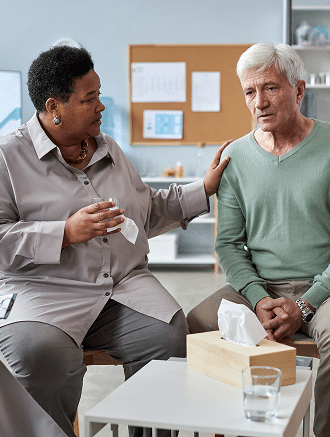
Risk Factors for Mental Health Effects After an Accident
Not everyone reacts to trauma the same way. Some people recover emotionally within weeks, while others experience lasting effects that interfere with daily life. The emotional impact often depends on a mix of personal history, the nature of the accident, and the support available afterward.
Previous Mental Health Conditions
Individuals who are already dealing with anxiety, depression, or trauma may be more vulnerable to developing post-accident conditions like PTSD. Pre-existing challenges can make it harder to process new trauma or adjust to changes in daily life.
Severity of the Accident
The more serious the accident or the injuries sustained, the higher the likelihood of long-term emotional impact. Events involving fatalities or significant destruction often leave stronger and more lasting psychological effects.
Lack of Social Support
Isolation after a traumatic event can slow emotional recovery. Limited support from family, friends, or community resources often increases feelings of loneliness and hopelessness.
Direct Exposure to Trauma
Those who were directly involved in the accident or witnessed it firsthand are at greater risk of developing ongoing psychological distress than those who only heard about it later.
Financial Stress or Inability to Work
The financial strain of lost income, medical expenses, or job loss can intensify stress and anxiety. Worries over paying bills or maintaining future financial stability can significantly complicate emotional healing.
Personality and Coping Style
People who internalize stress, avoid emotional expression, or hold perfectionist tendencies may struggle to process trauma without professional support. Healthy coping mechanisms are key to long-term recovery.
Gender and Age
Research shows that women and younger individuals often experience higher rates of trauma-related symptoms. Biological, developmental, and social factors can all influence how trauma affects mental health.
Lack of Professional Support
Without timely access to therapy or counseling, trauma symptoms can deepen and become chronic. Early intervention with mental health professionals greatly improves long-term outcomes.
Previous Trauma or Stressful Life Events
Those with past experiences of abuse, loss, or hardship may find that new traumatic events reopen old emotional wounds, compounding the mental and emotional toll.
Chronic Pain or Poor Physical Health
Ongoing pain or mobility issues after an accident can cause frustration, exhaustion, and sadness. The constant discomfort often heightens feelings of depression and hopelessness.
Getting Mental Health Support After a Traumatic Accident
Healing after a traumatic accident takes time, and it often requires more than physical care. Professional support can help you understand your emotions, regain balance, and build healthy coping strategies. In Canada, several trusted organizations and services provide resources for people coping with trauma-related symptoms.
Mental Health Professionals
- Canadian Psychological Association, or CPA: Offers resources and a national directory of licensed psychologists who can help with trauma recovery.
- Canadian Mental Health Association, or CMHA: Provides programs and community services for people managing mental health challenges after an accident.
- Therapists and Counselling Services: Many provinces offer publicly funded therapy, and private practitioners often focus on trauma, grief, and recovery.
Emergency Services
- Crisis Lines: National and local hotlines, such as the CMHA helpline and Kids Help Phone, offer immediate emotional support when needed.
- Hospitals and Clinics: Most hospitals have mental health professionals who offer services through emergency care or outpatient programs to individuals in crisis.
Online Resources
- Free Support Groups: Virtual platforms such as Trauma Recovery connect people with shared experiences for mutual encouragement.

Medication
Medication may be prescribed to manage anxiety, depression, or sleep issues related to trauma. It’s usually most effective when combined with therapy and lifestyle support. Always consult a qualified health care provider before starting or adjusting any treatment.
The Connection Between Physical Injuries and Mental Health Issues
Beyond the physical recovery, injuries often leave emotional challenges that are easy to overlook. Coping with pain, reduced independence, or changes in daily routine can cause feelings of loss and uncertainty. Recognizing these emotions as valid and treatable is a crucial step toward achieving full recovery.
- Chronic Pain and Depression: Living with ongoing pain can alter brain chemistry, disrupt sleep, and limit social activities. Over time, these challenges can lead to depression, irritability, and a sense of hopelessness.
- Loss of Independence: Serious or permanent injuries may prevent you from working, driving, or engaging in everyday tasks. Losing that independence can impact self-esteem and contribute to emotional distress.
Coping Strategies
Recovering from a traumatic accident means caring for both your body and mind. Coordinating physical rehabilitation with emotional support can make the healing process more balanced and sustainable. Many people find that combining therapy, lifestyle changes, and social connections helps restore a sense of control and calm.
Therapeutic Approaches
- Cognitive Behavioral Therapy, or CBT: A structured therapy that helps individuals challenge negative thought patterns and develop healthier coping mechanisms.
- Trauma-Focused Therapy: Specifically designed to address trauma-related symptoms. Techniques include exposure therapy and eye movement desensitization and reprocessing, or EMDR.
- Mindfulness & Meditation: Practices such as meditation, yoga, and deep breathing exercises can help calm the nervous system and reduce stress.
Physical Activities
- Exercise: Regular physical activity can reduce stress and anxiety by releasing endorphins. It can also improve sleep patterns and combat fatigue.
- Healthy Eating: Good nutrition can have a significant impact on emotional well-being and stress management.
- Proper Sleep: Quality rest after a traumatic experience is crucial, as inadequate sleep can significantly strain both your mind and body, making it difficult to maintain emotional balance.
Building a Support System
- Family: Leaning on family members who may have also been in the accident or know you best for emotional support.
- Friends: Leaning on a trusted network of friends for emotional support.
- Support Groups: Joining a support group of people who have gone through similar experiences can help individuals feel understood and less isolated.
Self-Care Practices
- Spending time in nature
- Discovering new or engaging in favorite hobbies
- Practicing relaxation techniques to promote healing
How Can I Help My Child Recover from Emotional Trauma after an Accident?
Children can react to accidents in ways that adults may not immediately recognize. They might appear fine at first, only to develop fears, mood changes, or behavioural regressions later on. Staying calm and consistent helps them feel safe while they process what happened.
- Maintain predictable routines to provide a sense of stability.
- Reassure your child that their fear, anger, or confusion is normal.
- Encourage open expression through talking, drawing, or play without pushing for details.
- Remind them that the accident wasn’t their fault and that everyone’s recovery takes time.
- Utilize relaxation tools such as deep breathing or mindfulness exercises to help manage stress.
Pay attention to your emotions and seek support if you feel overwhelmed. Children often mirror adult responses.
If your child exhibits intense or prolonged distress, seeking professional help is crucial. A counsellor or child psychologist can guide you and your child through recovery with strategies that promote long-term emotional well-being.
Rebuilding After a Traumatic Accident with Valent Legal
Healing after a traumatic accident takes patience and professional care. Addressing mental health is just as important as treating physical injuries, and doing so can help restore balance, confidence, and peace of mind. If you’re struggling with the emotional effects of an accident, you’re not alone. The lawyers at Valent Legal understand the lasting impact of trauma and can help you access the support and stability you need.
Call (902) 443-4488 or contact Valent Legal online today for compassionate legal representation.